 Add Row
  Add
Add 


Did you know that more than 45% of businesses admit to wasting significant portions of their ad budgets due to poorly managed paid social media campaigns? In a world where digital footprints define growth, one misguided paid media ad can mean thousands down the drain—while expertly optimized paid social efforts unlock new customer growth, skyrocket visibility, and deliver scalable ROI. Read on to uncover the hidden traps, advanced tactics, and platform-specific secrets that business owners and managers must master today to stay ahead.
A Startling Look at Paid Social Media Ads: The Hidden Money Drain
For business owners and growth-minded managers, the lure of paid social media ads is hard to resist. Social media platforms collectively attract billions of active users daily, making them some of the most powerful media channels available today. However, beneath the surface lies a hard truth: inefficient paid ad campaigns can quickly become a major money drain. When ad formats are misaligned, targeting is off, or creative fails to resonate, even a generous paid social budget can return lackluster results.
It's not uncommon for businesses—especially those new to paid social—to see more losses than gains. The culprit? A combination of poor audience targeting, inadequate A/B testing, lack of strategy, and treating paid social media as a “set and forget” campaign vehicle. The path to effective paid media advertising must be paved with knowledge, optimization, and adaptability. Recognize that social media advertising is a science—one where small, informed adjustments can yield game-changing results, but missteps can be just as dramatic in their negative impact.
“Over 45% of businesses report losing budget due to poorly managed paid social media ads. Yet, with proper strategy, ROI can soar.” – Industry Report

What You’ll Learn About Paid Social Media Ads (Roadmap to Smarter Spends)
- Understand the mechanics and costs of paid social media ads
- Learn to identify the pitfalls that most commonly waste budgets in social media advertising
- Explore advanced audience targeting strategies for paid media
- Compare ad formats and their effectiveness across leading platforms
- Gain actionable insights to boost your paid social media ROI
What Are Paid Social Media Ads? Demystifying Paid Social Channels
Paid social media ads are paid content placements that allow businesses to promote their products, services, or brand messages directly to targeted users on popular social media channels. Unlike organic content—posts you make to your existing followers—these ads are distributed by the platform's algorithms to reach people outside your immediate audience. The success of a paid media ad campaign is driven by precise targeting, creative quality, and strategic objective-setting. Paid social media advertising offers unparalleled reach and targeting options—far beyond traditional advertising methods.
This makes paid social distinct from organic social, where your content is shown only to those already connected to your page or profile. By leveraging paid social, brands can reach new customers at every stage of the purchase funnel, from awareness to conversion, using a variety of ad formats and advanced audience targeting tactics. Understanding this distinction is critical to building a strong social media ad strategy, maximizing your paid media ROI, and scaling your business success.
Understanding the Spectrum: Paid Social vs. Organic Social Media
Organic social media relies on building engagement with your existing followers through regular content, conversations, and community growth. It builds brand loyalty and nurtures relationships but is limited in rapid scale or reaching new demographics. Paid social, on the other hand, empowers your brand to go beyond your followers—targeting specific groups by demographics, interests, behaviors, and more, with the potential for massive reach in a short timeframe.
While both types are crucial, the best strategies create synergy—using paid ads to drive targeted traffic and conversions and organic content for sustained engagement and advocacy. A potent paid social media campaign bridges the gap between broad reach and deep connection, serving as the catalyst for growth you won’t see through organic means alone.
The Key Components of a Paid Social Media Ad
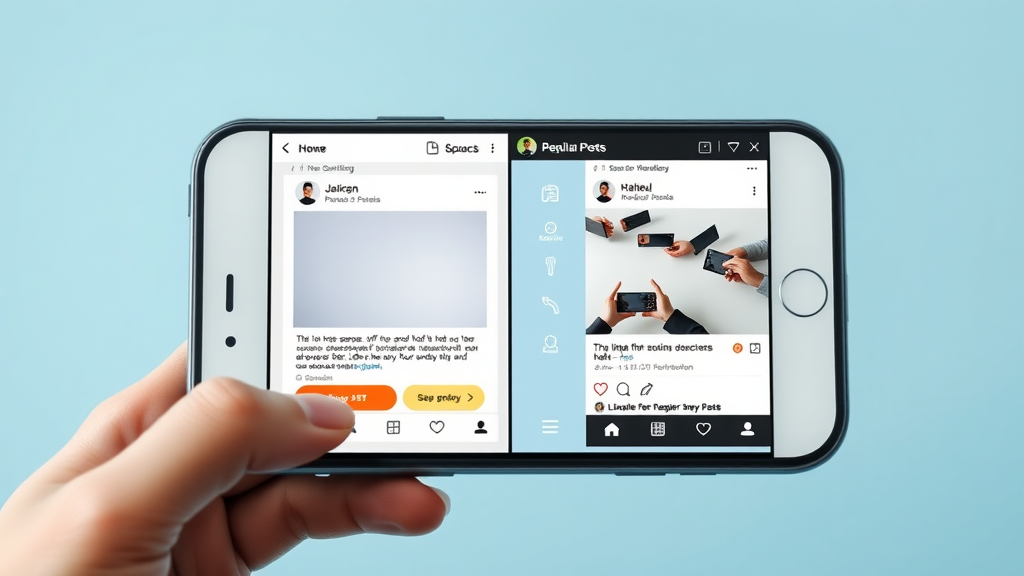
Successful paid social media ads always combine several core elements, each of which directly impacts your campaign’s effectiveness and cost:
- Campaign objective selection: Defining your paid media goal—be it brand awareness, website traffic, lead generation, or sales—steers ad delivery and optimization.
- Audience targeting: Choosing audience demographics, interests, locations, and behaviors allows you to direct your paid ads to the best possible prospects.
- Creative and copy: Eye-catching visuals and compelling ad copy enhance engagement and encourage clicks or conversions.
- Bidding and budgets: Determining how much you’re willing to spend per click or impression (CPM/CPC) and overall campaign budget helps control ad delivery and cost-effectiveness.
The True Costs of Paid Social Media Advertising
Paid social media ads are never truly “set and forget.” Their actual cost stems from several factors: platform choice, audience size, creative quality, bidding approach, and hidden fees. Failing to track and optimize spending in these areas means you could easily exceed your intended ad budget—diluting ROI and putting future campaigns at risk. It’s vital to have a clear cost structure before launching, so you’re not blindsided by unexpected media ad expenses or hidden social media advertising charges.
| Platform | Average CPM (Cost per 1,000 Impressions) | Average CPC (Cost per Click) | Typical ROAS (Return on Ad Spend) |
|---|---|---|---|
| $7.00 | $0.97 | 3x–4x | |
| $7.50 | $1.10 | 2.8x–3.5x | |
| $8.50 | $2.50 | 2x–3x | |
| $6.50 | $0.50 | 1.5x–2.5x |
Factors Influencing Paid Media Ad Costs
Several variables affect the cost and ROI of your paid social media campaign:
- Platform selection: Each social media platform (Facebook Ads, Instagram, LinkedIn, Twitter) sets different baseline rates and offers unique ad formats.
- Audience size and targeting complexity: The more granular your audience targeting, the higher the cost—but also the higher the likelihood of conversions.
- Ad formats and creative quality: Dynamic video ads may cost more but can yield better engagement, while static image ads are generally cheaper yet potentially less compelling.
Smart paid social media advertisers test different combinations and continuously monitor performance to keep costs under control. It’s critical not just to set a budget, but also to understand how your allocation is spent—and adjust strategies based on real-time feedback from each media platform. The key is to align spending with business objectives and expected outcomes, scrutinizing each cost factor in your paid media plan.

Hidden Fees in Social Media Advertising Budgets
Don’t be surprised if your initial media ad budget doesn’t match your final billing. Paid social campaigns often incur additional costs including agency/consultant fees, platform service charges, creative production expenses, and the cost of premium audience segments. In some cases, brands may overlook segments of their budget that are spent on “dark social” (ads with low attribution) or supporting tools (A/B testing platforms). To avoid overspending, it’s crucial to meticulously audit every charge and ask for a breakdown from your in-house or external media buying team.
Avoid These Top Paid Social Media Ads Mistakes
Even the most experienced marketers fall prey to the pitfalls of paid social media advertising. But by identifying these mistakes early, business managers can safeguard their media ad budgets and unlock the full potential of their paid social campaigns.

Pitfall 1: Poor Audience Targeting in Paid Social Campaigns
One of the costliest errors in paid social advertising is inaccurate audience targeting. Targeting too broadly dilutes your message and sends your ad dollars to people unlikely to convert, while too narrow a focus can limit reach and stifle campaign growth. Without in-depth understanding of your target audience—demographics, behaviors, interests—your paid ads risk being ignored, triggering high costs and low returns. It’s essential to use every targeting option the platform offers: custom audiences, lookalike audiences, retargeting based on user behavior, and layered segments. Smart media strategy starts with detailed research and ongoing refinement of audience profiles, using analytics to hone in on the prospects who matter most.
To avoid this pitfall, always base your paid social campaigns on real customer insights and historical performance data. Segment, test, and iterate—adjusting your targeting to eliminate waste and maximize the efficiency of every dollar spent. Remember: The right audience is the foundation of profitable paid social media ads.
Pitfall 2: Neglecting A/B Testing for Social Media Ad Creative
Many businesses launch paid social ads without testing different creative versions. This is a massive missed opportunity—A/B testing enables you to compare different headlines, images, ad formats, and calls-to-action, revealing what truly resonates with your audience. Without testing, you’re essentially gambling with your ad budget, risking ad fatigue and diminishing returns.
To prevent creative stagnation, make testing an integral part of your media ad workflow. Use platform testing tools to run concurrent ads, analyze which variations outperform, and swiftly reallocate spend to the best performers. Continuous creative iteration is a hallmark of paid media leaders, ensuring every paid social ad serves a clear purpose and delivers maximum engagement.

Pitfall 3: Misaligned Media Strategy and Ad Objectives
Another frequent (and costly) mistake in social media advertising: setting objectives that are at odds with your broader media strategy. Running awareness ads when you need sales, or optimizing for clicks when conversions matter more, can lead to disappointing results. Always ensure that your campaign objectives, creative assets, and landing pages are aligned with the desired outcome. Each paid media channel offers unique strengths, so tailor your strategy accordingly—for example, driving event signups on Facebook or generating B2B leads on LinkedIn.
Consistently review your campaign objectives, and be ready to pivot when platform algorithms, audience behavior, or business priorities evolve. The most successful paid ad campaigns are those that remain flexible and responsive to changing conditions. Use platform analytics to track performance and adjust media strategy in real time.
Pitfall 4: Choosing the Wrong Ad Formats or Social Ad Platforms
Not every ad format or platform suits every marketing goal. Over-relying on static images when your audience craves video, or advertising on Instagram when your core buyers are on LinkedIn, will waste time and money. Understanding the strengths of each social media channel and available ad formats—carousel, video, stories, or sponsored content—enables you to select the best tools for your campaign objectives.
Evaluate and pilot multiple ad formats across platforms to discover which ones drive the highest engagement, conversions, and ROI. Keep watch for common signs of ad fatigue (declining CTR, higher CPC, lower engagement) and be prepared to shift focus whenever performance dips.
"The wrong audience and wrong format can turn even a big budget into a wasted opportunity." – Paid Media Expert
- Common warning signs of ad fatigue
- Red flags for targeting errors
Maximizing ROI on Paid Social Media Ads: Expert-Tried Strategies
High-performing businesses treat paid social media advertising as a process of continual learning and optimization—always seeking the combination of platform, ad format, and creative that delivers the best return on ad spend (ROAS). Whether you’re driving eCommerce sales or generating high-value leads, prioritizing data-driven decision-making is key. Real ROI comes not just from creative execution, but from understanding your audience, tailoring your message, and relentlessly testing and adapting your paid social media ad campaigns.

eCommerce & Lead Gen: Making Media Advertising Work for Your Business
For eCommerce brands, paid social media ads represent one of the smoothest routes from brand awareness to purchase. Using advanced audience targeting and powerful dynamic ad formats, such as Facebook carousel ads or Instagram product tags, you can present the right product to the right customer at the right time. For lead gen businesses—think B2B services or consultants—LinkedIn's sponsored content or Facebook lead forms streamline customer acquisition and nurture prospects efficiently.
Marrying the right format to your end goal drives not only better results but also wastes less on unproductive clicks or impressions. It’s about understanding where your prospects are, how they interact with the platform, and crafting your message for maximum relevance.
Leveraging Facebook Ads, Instagram, LinkedIn, and More
- Facebook ad formats: Carousel, video, and collection ads excel for eCommerce, lead gen, and brand-building alike.
- Instagram Stories and IG Reels: Eye-catching, vertical short-form video formats prime for younger audiences and product launches.
- LinkedIn Sponsored Content: Highly effective for B2B, professional events, and high-ticket lead generation.
Mastering each platform’s signature formats and audience nuances ensures your paid social media ad strategy is always a step ahead of the competition. Use analytics tools to compare performance by platform and adjust your strategy for the fastest growth.
Building and Iterating on Winning Paid Social Ad Creatives
Your ad creative is often the first interaction a potential customer has with your brand. For paid social to deliver, high-quality visuals and clear, persuasive messaging are non-negotiables. The best social media advertisers understand that creative should never be static—continually test, analyze, and refine your designs and copywriting to maintain freshness and relevance. Solicit feedback, mine the data, and watch for shifts in user response—sometimes, a minor change can produce major results.
Invest in creative cycles that keep your ads ahead of fatigue and ensure every campaign iteration is an opportunity for greater returns. The most successful paid media advertisers treat creative as both art and science.

Essential Metrics for Tracking Paid Social Media Ad Performance
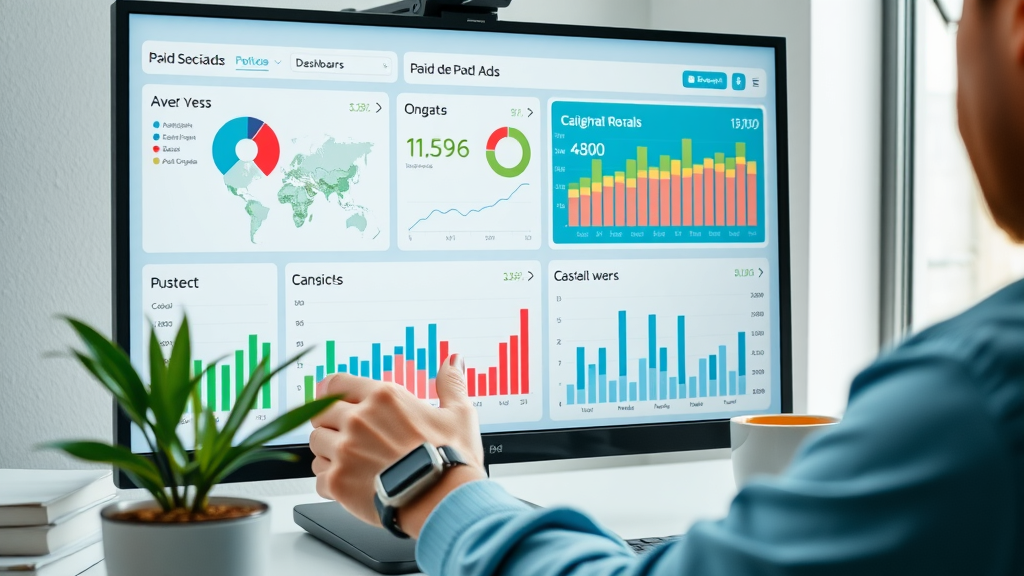
To improve your paid social media ad campaigns, you must track and understand the right KPIs. The best-performing businesses focus on these metrics:
- Click-through rate (CTR) and conversion rate: Crucial for measuring initial engagement and actual business outcomes.
- Cost per conversion and customer acquisition cost: Show how efficiently your paid ads are turning clicks into real customers.
- Return on ad spend (ROAS): The ultimate metric—measuring revenue for every dollar spent on paid social media advertising.
- Affected by ad format, social media platform, and targeting approach.
The path from a click to a sale is influenced by every decision you make—platform, targeting, and creative—so regular performance analysis is non-negotiable. Use robust dashboards to spot winning trends and identify underperforming ad campaigns, reallocating resources to what works best.
Selecting the Right Platform for Paid Social Media Ads
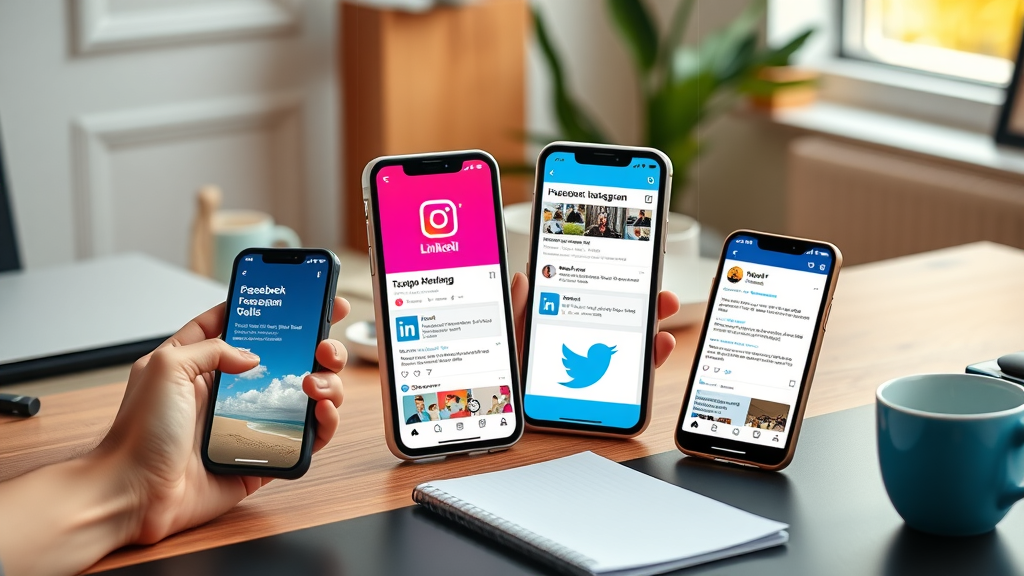
Which social media platform should you use? The answer isn’t one-size-fits-all. Every platform—Facebook, Instagram, LinkedIn, and Twitter—offers different strengths, ad formats, and audiences. The trick is to align your strategy to your business’s unique goals and the pathways your target audience travels most.
Platform-Specific Strengths: Facebook, Instagram, LinkedIn, Twitter
Facebook suits broad B2C campaigns and detailed demographic targeting. Instagram triumphs with visual-first, lifestyle, or influencer-driven ads. LinkedIn dominates for B2B and high-value targeting by industry or role. Twitter is best for real-time engagement and trending-topic promotions. Understanding these differences ensures your paid media ad spend yields the highest value and impact for your business objectives.
Adapting Your Media Strategy to Each Paid Social Platform
A unified, platform-adapted media strategy allows you to maximize exposure, engagement, and conversions. Customizing creative and messaging for each social media channel ensures that your paid ads feel native and persuasive. Blend platform strengths with your goals for fully optimized paid social media advertising—and don’t forget to review results regularly to pivot where needed!
| Platform | Best Targeting Options | Popular Ad Formats | Best Use Cases |
|---|---|---|---|
| Demographics, Interests, Behaviors, Lookalikes, Retargeting | Carousel, Video, Collection, Image | B2C, eCommerce, Lead Generation | |
| Visual Interests, Influencer Segments, Age, Location | Stories, IG Reels, Explore, Images | Lifestyle Brands, Retail, Events | |
| Job Title, Industry, Company Size, Skills, Seniority | Sponsored Content, Message Ads | B2B, Recruitment, High-Value Leads | |
| Keywords, Interests, Followers, Events | Promoted Tweets, Video, Cards | Real-Time Engagement, News, Awareness |
Trends in Paid Social Media Advertising (2024 & Beyond)
In 2024, expect even more advanced targeting, integration with AI for creative optimization, and a heavier focus on video and mobile-first formats. Social media platforms will likely offer greater transparency in ad costs and new tools for cross-platform attribution, making it easier for business owners to track every dollar spent. Stay agile, explore new ad formats early, and be among the first to take advantage of platform innovations for maximum advantage.
People Also Ask About Paid Social Media Ads

How much is a paid social media ad?
Paid social media ad costs can vary widely: expect to pay anywhere from $0.50 to $5 per click, depending on your platform, industry, and audience targeting precision. Factors such as ad quality, bidding strategies, and seasonality will also influence costs.
Are paid social media ads worth it?
When thoughtfully executed, paid social media ads are worth the investment for most businesses. They offer targeted reach, scalable results, and robust measurement—but only with a strong strategy, creative, and ongoing optimization.
What is the 50 30 20 rule for social media marketing?
The 50 30 20 rule allocates 50% of your content to informative/educational posts, 30% to sharing other people’s content or curated industry resources, and 20% to direct promotion or paid social media ads, creating a balanced and engaging strategy.
Which social media platform is best for paid ads?
The best platform for paid social media ads depends on your audience and objectives: Facebook Ads excel for broad B2C audiences, LinkedIn for B2B and professionals, Instagram for visuals and younger demographics, and Twitter for real-time engagement.
Actionable Tips: Paid Social Media Ad Campaigns That Actually Work
- Define clear campaign goals for your paid social media ads
- Research and select precise audience targeting
- Test multiple ad formats and creative variations
- Optimize budgets based on real performance data
- Iterate your media strategy and scale winning campaigns
Key Takeaways for Paid Social Media Ads
- Effective paid social media ads start with a well-researched strategy
- Continuous optimization prevents costly mistakes and unlocks ROI
- Choosing the right platform and ad format is critical for paid social success
- Advanced targeting and creative testing are must-haves
Frequently Asked Questions about Paid Social Media Ads
How do paid social media ads compare to paid search ads?
While both are forms of digital advertising, paid social media ads appear on platforms like Facebook, Instagram, or LinkedIn, leveraging audience interests and demographics for targeting. Paid search ads, on the other hand, appear on search engines (like Google) and capture users with high purchase intent based on specific keyword queries. Paid social excels at building brand awareness and driving discovery, whereas paid search specializes in capturing demand at the moment of need.
What budget should small businesses allocate to paid social media advertising?
Small businesses often start with budgets ranging from $300 to $1,500 per month for paid social media ads, scaling up as campaigns prove ROI. The optimal budget depends on your goals, average cost per acquisition, and the competitive landscape of your industry. Always test with smaller amounts, focusing on learning and refining before major investments.
Can paid social media ads drive B2B and B2C growth?
Absolutely. Paid social media advertising can be tailored for both B2B and B2C growth. For B2C, platforms like Facebook and Instagram are effective for rapid reach and eCommerce; B2B marketers typically find the best results on LinkedIn and Twitter for targeted content and lead generation. The key is customizing your approach and messaging for the decision-makers you need to reach.
How long does it take to see results from paid social media advertising?
Results from paid social media ads vary, but most campaigns begin to show meaningful data within 1–2 weeks. However, optimal results—such as scaling ROAS, lowering cost per conversion, and achieving sustainable growth—often require 4–8 weeks of consistent testing, creative iteration, and audience refinement. Patience and ongoing analysis pay off!
Ready to Take Your Paid Social Media Ads to the Next Level?
- Contact Us at https://edenstreams.com/contactus
Conclusion
Mastering paid social media ads means understanding hidden costs, leveraging a data-driven strategy, customizing creative, and staying nimble on every platform. Act now to reduce waste and rocket your ROI.
Sources
- Sprout Social – https://sproutsocial.com/insights/social-media-advertising-statistics/
- WordStream – https://www.wordstream.com/blog/ws/2019/11/19/social-media-advertising-benchmarks
- Hootsuite – https://hootsuite.com/resources/social-media-advertising-guide
- Eden Streams – https://edenstreams.com/contactus
To enhance your understanding of paid social media advertising and avoid common pitfalls, consider exploring the following resources:
-
“Social Media Advertising: Ads, Cost & Strategies”: This comprehensive guide by Adobe delves into various aspects of social media advertising, including cost structures, platform-specific strategies, and best practices to optimize your campaigns. (adobe.com)
-
“15 Smart Ways For SMBs To Get Started With Paid Social Media Advertising”: This Forbes article offers practical advice for small and medium-sized businesses looking to initiate or improve their paid social media efforts, providing actionable tips to maximize return on investment. (forbes.com)
By reviewing these resources, you’ll gain valuable insights into effective paid social media strategies and learn how to sidestep common mistakes, ensuring your advertising efforts yield the best possible results.




Write A Comment