Add Row
Add Element
Logo of Eden Streams
update

update
Add Element
  • Home
  • Subscribe
  • Contact Us
  • All Posts
  • Buiness Growth Strategies
  • Business Trends
February 01.2026
1 Minute Read

Effective Press Releases: What You’re Missing Right Now

Did you know that only 3% of press releases actually result in media coverage? If your announcements aren’t making headlines or driving business growth, you’re likely missing critical elements that separate effective press releases from the rest. This guide reveals what business owners and managers need to know to make every release count and positively impact your brand.

Unlocking the Power of Effective Press Releases: A Surprising Statistic

"Only 3% of press releases result in media coverage—are yours making the cut?"

The competition for attention in today’s media environment is fierce. With thousands of press releases circulating daily, most go unnoticed by journalists and editors at top media outlets. For business owners aiming to maximize brand awareness and growth, understanding the nuances of effective press releases is crucial. A well-crafted press release can elevate your brand, attract media coverage, and engage your target audience. But, as statistics show, most miss the mark. Whether you’re announcing a product launch, an upcoming event, or a major milestone, ensuring your communications are strategically planned and executed can mean the difference between overlooked news and a viral hit.

Modern business professionals reviewing effective press releases and graphs in a high-rise office overlooking the city

What You'll Learn About Effective Press Releases

  • Core components of effective press releases
  • How effective press releases target your audience
  • Key strategies for business growth through press releases
  • Real-world press release examples and templates
  • Proven best practices in public relations

Defining Effective Press Releases: What Sets Them Apart

Not all press releases are created equal. The difference between a standard announcement and an effective press release is often found in how well it resonates with the intended reader and major media outlets. An effective release goes beyond basic formatting; it delivers a compelling, clear message and brings attention to your business. While templates are helpful, it’s the strategy and attention to detail that ensure your content stands out. Business owners and managers who consistently secure good PR and tangible results use a combination of storytelling, targeted messaging, and public relations best practices. Let’s explore these fundamentals and how you can leverage them for success.

To further enhance your press release strategy, consider how SEO optimization can amplify your message and reach. Integrating targeted keywords and search-friendly formatting is a proven way to boost your brand’s visibility—explore actionable techniques in this guide to SEO-optimized press releases.

Press Release Fundamentals: Beyond the Basics

A standard press release follows a format, but a successful one connects with the reader. Start by placing the most vital information in the lead paragraph—journalists look for information relevant to their audience immediately. Structure is key: keep sentences clear, check grammar, and support claims with data or authoritative quotes. Additionally, make sure to include your company’s contact details and a concise boilerplate describing your business. Focus on what makes your announcement newsworthy. Is it a new product launch, a partnership, or an event? Avoid promotional fluff—journalists want stories that matter to their audience. Always keep your target audience in mind and offer angles relevant to media outlets.

Professional copywriter drafting an effective press release on a laptop at a home office

Key Characteristic of Effective Press Releases

The key characteristic of an effective press release is a clear, newsworthy angle tailored for its target audience. Successful releases don’t just provide the facts—they tell a story. Every element, from the headline to the closing boilerplate, should reinforce your main message and answer the question: “Why is this important right now?” Effective press releases also include credible quotes from respected sources, which gives perspective and authority, and avoid jargon that could turn off journalists or readers. Instead, use concise, direct language that lands your point quickly—making every word count. The best press releases also integrate essential public relations techniques, ensuring the message aligns with your overall brand goals. This alignment supports business growth and delivers good press consistently.

Understanding the Role of Target Audience in Effective Press Releases

A press release that doesn’t consider its target audience is likely to fall flat. Whether you’re targeting consumers, media contacts, or industry insiders, the language, tone, and content must be customized to meet their needs and expectations. Failing to identify your audience can result in missed opportunities for brand awareness and weak media coverage. Media outlets and journalists will only pick up press releases that align with what their readers care about. A targeted approach ensures your story reaches the right people at the right time, maximizing business and PR results.

How to Identify and Write for Your Release Target Audience

Start by researching who will benefit or be most interested in your announcement. Use social media insights, industry forums, or direct customer feedback to build a clear profile of your target audience. Consider their needs, professional roles, and pain points. When writing a press release, match your tone and message to the audience you want to reach. For example, a product launch might resonate with tech bloggers, while a partnership press release may interest business journalists. Tailoring content in this way not only draws attention from media outlets but also drives engagement from potential customers and stakeholders.

Content strategist analyzing target audience profiles with colorful charts for effective press releases

Brand Awareness and Business Growth with Press Releases

Strategic press releases are a proven tool for boosting brand awareness and driving business growth. A well-timed press announcement can help you break through the noise, gain trust, and position your business as an industry leader. For business owners, a consistent public relations strategy that includes frequent and targeted press releases can yield long-term benefits. Not only do you increase your chances of media coverage, but you also develop relationships with key journalists and influencers. This foundation supports continued good press and greater recognition for your company, even in competitive markets.

Essential Components: Anatomy of an Effective Press Release

Great press releases follow a trusted structure that ensures clarity and relevance, making it easier for journalists to find the relevant information they need. Below is a breakdown of the key elements you should always include in your release, each playing a critical role in its effectiveness.

Component Description
Headline Captures attention with clarity
Subheadline Expands on main message
Lead Paragraph Covers the 5 W's
Body Provides supporting detail
Quote Adds authority & perspective
Boilerplate About your business
Contact Info For follow-up

The 5 W's in a Press Release: Who, What, When, Where, Why

Every effective press release must provide concise answers to the 5 W’s: Who is involved? What is happening? When will it occur? Where is it taking place? Why does it matter? Including this essential information relevant in the lead paragraph provides context for media outlets—helping journalists decide quickly if your story suits their readers. Journalists rely on clear answers so they can pass stories along to editors and audiences. Whether you’re crafting a product announcement, event press release, or partnership news, make the 5 W’s your checklist for completeness and relevance.

Journalists and PR professionals collaborating on effective press releases in a busy newsroom setting

Types of Effective Press Releases: Choosing the Right Approach

  • Product Launch Press Release
  • Event Press Release
  • Embargoed Press Release
  • Partnership/Acquisition Press Release

Each type of press release serves a unique purpose and requires a tailored approach. A product launch press release brings attention to new offerings; an event press release promotes upcoming activities to secure attendees and media coverage. Embargoed press releases are shared with media outlets before a specified release time, ensuring coordinated coverage. Partnership or acquisition press releases communicate business milestones and attract interest from both the press and stakeholders. Business owners should choose the right format and timing for their objectives, customizing content for maximum impact and reach in their industry.

When to Use an Embargoed Press Release

An embargoed press release is shared with select media outlets before the public release date, requesting that journalists hold the story until a specific time. This is valuable for major product launches, sensitive announcements, or information that could influence financial markets. Use an embargoed press release when coordinated timing across multiple outlets will amplify your story’s impact. Make expectations clear in your communication—most journalists respect embargoes, but always choose trustworthy contacts. Include clear contact details, and prepare for media inquiries as soon as the embargo lifts.
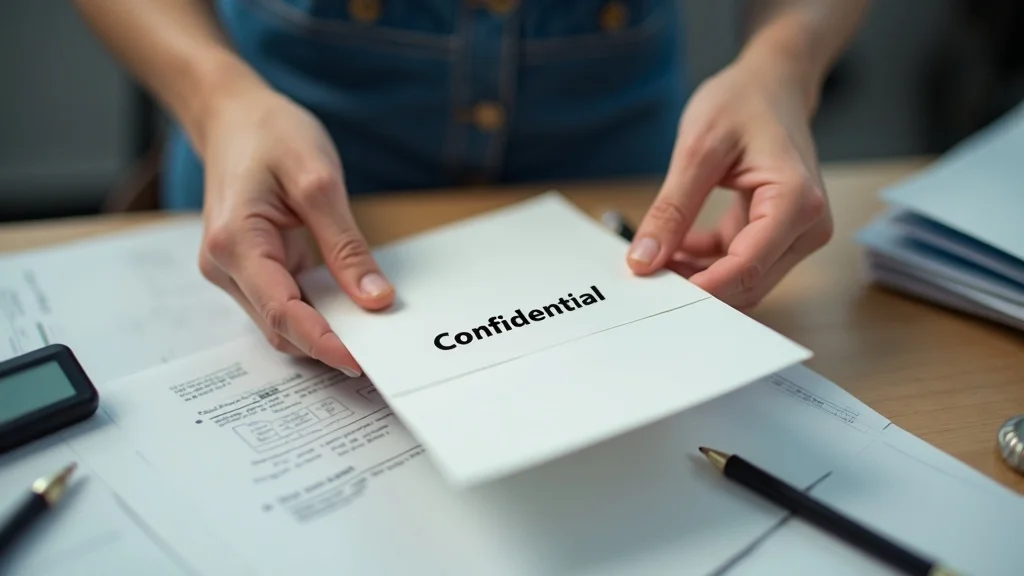
Hands sealing a confidential embargoed press release envelope on a tidy office desk

Crafting Effective Press Releases: A Proven Template

Templates streamline the process of writing a press release and help ensure essential information is covered. Here’s how you can use a reliable press release template to craft effective and compelling announcements every time.

Press Release Template and Writing Guide

Headline: Make it specific and newsworthy, aimed at your target audience. Subheadline: Provide an extra detail or secondary point to add depth. Dateline: Include city and date for context. Lead Paragraph: Answer the 5 W’s immediately. Body Paragraphs: Expand on the story, add relevant information, background, and additional context. Quote: Insert a compelling statement from a company leader or partner. Boilerplate: Brief info about your business. Contact Information: Include name, title, phone number, and email for media inquiries. Business owners should use this template for all press release types, from event press releases to acquisition press releases, to ensure cohesion and professionalism, elevating their public relations efforts.

Creative team reviewing a press release template projected on boardroom wall

Designing a Release Template for Maximum Impact

When creating a release template, focus on clean formatting, logical flow, and mobile-friendly design—many journalists read releases on their phones. Make sections distinct with headings and keep paragraphs short to improve readability. Add social media handles to your contact block, enabling easy sharing and direct interaction with media contacts. Always keep your company’s info, branding, and public relations messaging consistent throughout the template to deliver good press release results.

Effective Press Release Examples: What Works in 2024

  • B2B press release example
  • Event press release example
  • Product announcement release example

Reviewing real press release examples is invaluable for business owners wanting to master the art of the effective press release. Look for samples that use clear language, compelling quotes, strong headlines, and concise lead paragraphs. Identify features that made them successful, such as immediate relevance, target audience alignment, and a strong call to action. By studying successful B2B, event, and product launch press release examples from 2024, you learn how different industries approach public relations, utilize templates, and gain media coverage.

Expert Insights: Public Relations Best Practices for Effective Press Releases

"An effective press release tells a story that matters to both the media and your audience." - PR Expert

Leading public relations professionals agree that the most powerful press releases always combine storytelling, data, and relevancy to the current media climate. Before releasing, ensure your news fits the publication’s format, follows AP style, and is timed strategically for the industry news cycle. A best practice is building relationships with journalists in advance so they know to expect quality press releases from your brand. Always provide complete contact details and be responsive to media inquiries as coverage can snowball into massive brand awareness.

Integrating Brand Messaging and Public Relations

A good press release reinforces your core brand messaging and fits seamlessly into your overall public relations strategy. From the headline to boilerplate, ensure every sentence supports your brand voice and values. Educate your team on brand messaging during media training sessions, and always provide a brief synopsis of your company’s mission when working with freelance writers or outside agencies. This alignment increases media outlet interest and produces consistent, impactful outcomes. Ultimately, integrating press releases with your wider public relations, social media, and content marketing efforts will multiply the reach and resonance of your message.

Communications manager leading media training to integrate brand messaging into effective press releases

Common Mistakes to Avoid in Press Releases

  • Ignoring the target audience
  • Too much jargon
  • Lack of newsworthy content
  • Missing call to action

Even seasoned business owners make mistakes when writing press releases. Avoid skipping crucial steps such as defining the target audience, using excessive jargon that alienates readers, or sending out announcements without including any truly newsworthy information. These errors can cause your release to be ignored by media outlets. Always include a compelling call to action, so editors and the public know how to follow up or learn more. Pay close attention to formatting, proofreading, and timing to guarantee your release gets the best possible results.

Checklists: Writing an Effective Press Release Every Time

  • Research the topic and target audience
  • Clear, concise headline
  • Cover the 5 W's
  • Include strong quotes
  • Add company boilerplate

Keep this checklist handy whenever writing a press release. It helps you stay focused on what matters: serving your target audience, providing value to media outlets, and consistently delivering good PR for your brand. Review past release examples to identify opportunities for improvement in your process.

People Also Ask: Frequently Searched Questions

What are the 5 W's in a press release?

Answer: The 5 W’s—Who, What, When, Where, Why—must be addressed in the lead paragraph of all effective press releases to provide complete context and immediate relevance.

What are the 7 components of a press release?

Answer: The seven components of a press release are the headline, subheadline, dateline, lead paragraph, body, boilerplate, and contact information.

What are the 4 P's of journalism?

Answer: The 4 P’s are Precision, Perspective, Presentation, and Proof, which can all elevate effective press releases by ensuring clarity, accuracy, and media appeal.

What is a key characteristic of effective press releases?

Answer: A clear, newsworthy angle tailored to the target audience is a defining characteristic of effective press releases.

FAQs About Effective Press Releases

  • How do effective press releases contribute to brand awareness?
  • When should a press release be embargoed?
  • What makes a press release newsworthy?
  • Can small businesses benefit from press releases?
  • How do effective press releases contribute to brand awareness?
    Effective press releases place your brand in front of new audiences and respected media outlets, building trust and visibility. Consistency and relevance are key to repeated media coverage.
  • When should a press release be embargoed?
    Use embargoed press releases when timing is sensitive or simultaneous coverage across multiple outlets is desired. Always communicate the embargo clearly to all contacts.
  • What makes a press release newsworthy?
    Newsworthy press releases present timely, significant, and relevant stories to the media outlet’s target audience—whether it’s a unique event, innovation, or collaboration.
  • Can small businesses benefit from press releases?
    Absolutely. Small businesses can use press releases to gain good PR, enter new markets, and attract attention previously reserved for larger competitors.

Key Takeaways for Business Owners: Leveraging Effective Press Releases

  • Understand your audience
  • Follow proven formats and templates
  • Make every word count
  • Connect with media and foster public relations
  • Maximize business growth potential

Business owner celebrating positive press coverage in a startup workspace after distributing effective press releases

Conclusion: Moving Forward with Effective Press Releases

Harnessing the Business Impact of Effective Press Releases

By creating effective press releases informed by research, relevance, and proven structure, you can unlock media coverage and meaningful growth for your business—starting today!

Infographic visually summarizing the stages for crafting effective press releases

If you’re ready to take your press release strategy to the next level, consider how a holistic approach can further amplify your results. Beyond crafting compelling announcements, aligning your releases with broader marketing initiatives and leveraging advanced SEO techniques can dramatically increase your brand’s reach. For a deeper dive into maximizing visibility and integrating press releases into your overall growth plan, explore our insights on boosting your brand’s visibility with SEO-optimized press releases. Discover how strategic distribution and optimization can transform your news into lasting business impact.

Contact Us Today to Elevate Your Business with Effective Press Releases

Contact Us at https://edenstreams.com/contactus

Ready to boost your brand with attention-grabbing press releases? Learn more at edenstreams. com

Follow this comprehensive video walkthrough for actionable guidance on crafting, formatting, and distributing press releases that deliver measurable business results.

See recent press release examples in action—this video breaks down successful releases and shares expert advice on tailoring your approach in 2024.

Sources

  • Cision – https://www.cision.com/resources/tip-sheets/press-release-best-practices/
  • Business Wire – https://www.businesswire.com/learn/press-release-templates-examples
  • HubSpot – https://blog.hubspot.com/marketing/press-release-template
  • Muck Rack – https://muckrack.com/blog/2024/01/10/2024-press-release-trends

To enhance your understanding of crafting impactful press releases, consider exploring the following resources: “14 Tips to Make Your News Do More”: This article offers practical advice on modernizing your press releases to boost awareness and engagement. (businesswire. com) “How To Write a Great Press Release (With an Example)”: This guide provides a step-by-step approach to writing effective press releases, complete with examples to illustrate key points. (indeed. com) These resources offer valuable insights and actionable tips to help you craft press releases that capture attention and drive results.


Buiness Growth Strategies

1 Views

0 Comments

Write A Comment

*
*
Please complete the captcha to submit your comment.
Related Posts All Posts
02.03.2026

Press Release SEO: Boost Visibility With These Insider Tips

Did you know? Optimized press releases can increase website traffic by up to 50% within days of distribution. In the competitive world of online visibility, a well-crafted press release SEO strategy isn’t just an option—it’s a proven shortcut to greater search engine ranking and measurable business growth. Whether you’re a business owner, PR professional, or marketing manager, understanding press release SEO could be your key to unlocking a larger audience, more leads, and an edge over your competitors. Opening Insights: The Surprising Impact of Press Release SEO In today’s digital marketplace, press release SEO has evolved from a one-off promotional tactic to a cornerstone of effective public relations and online engine optimization. Let’s cut straight to the chase: search engines still love authoritative, fresh news content—and companies leveraging strategic press releases are seeing powerful results. Modern press releases don’t just reach journalists; they drive traffic, earn high-value backlinks, and inject credibility into your brand’s digital narrative. Remarkably, press releases optimized for search engine ranking can deliver results in a matter of days, not weeks. When paired with effective distribution, an optimized press release has been shown to drive a direct spike in website visits, enhance your brand’s organic search results, and amplify new product launches or executive announcements. In other words, SEO press strategies are not just for major corporations—they’re an accessible, scalable solution for growth-minded businesses of every size. “According to a recent study, optimized press releases can increase website traffic by up to 50% within days of distribution.” What You’ll Learn About Press Release SEO Core strategies for press release SEO How press release distribution affects search engine ranking Tips for optimizing release SEO elements in every press release The role of press releases in modern SEO press practices How to track and measure your search engine rankings from press release campaigns Understanding Press Release SEO: Definitions and Key Concepts What Is Press Release SEO? Press release SEO means optimizing your news announcements so they are not only appealing to the media but also to search engines. By incorporating targeted keywords naturally, crafting engaging headlines, and integrating relevant links, you position each press release for maximum online discoverability. This strategy ensures your release shows up both in media outlets and organic search engine results, driving traffic to your website and boosting your digital authority. Unlike classic public relations, modern release SEO fuses PR tactics with the science of search engine optimization. Elements like keywords in the title, alt text for multimedia, and hyperlinking strategically within the content are crucial for improving your engine ranking. In essence, press release SEO transforms simple company updates into opportunities for measurable website growth and stronger online presence. For those looking to put these concepts into action, exploring how an SEO-optimized press release article can elevate your brand’s visibility offers practical, step-by-step guidance on crafting releases that truly stand out in search results. Why Press Releases Still Matter for Search Engine Ranking Despite new trends and social platforms, press releases remain a powerful tool for influencing search engine ranking. Today’s search engines recognize and reward fresh, authoritative news with higher placement in search results. and media outlets and wire services (like PR Newswire and Business Wire) often have high domain authority, giving your brand a direct boost from their backlinks. More than just news distribution, an SEO press release enhances brand visibility and trust. Each press release published on reputable sites can act as a digital footprint, signaling your relevance and expertise in your industry to both customers and algorithms. By aligning press release timing with high-impact brand moments, you not only attract media interest but also strengthen your position in the search engine rankings. Release SEO vs. Traditional SEO While both release SEO and traditional SEO share the goal of improving search engine rankings, their approaches differ. Traditional SEO relies heavily on website content, technical optimization, and ongoing management of blog posts, landing pages, and backlinks. In contrast, release SEO uses timely, newsworthy content and wide distribution as engines of discoverability. The interplay between these tactics is the secret sauce: using press releases to supplement ongoing SEO campaigns delivers a “halo effect,” bringing immediate attention while also contributing to long-term authority. The key is xmeasuring performance and integrating releases into broader seo strategy—rather than treating them as isolated actions. The Anatomy of an SEO-Optimized Press Release Crafting Compelling Headlines for Press Release SEO A headline can make or break your press release SEO success. Search engines—and readers—are drawn to clear, concise, and benefit-driven titles. For optimal results, include your main target keyword (for example, “press release SEO” or “release SEO strategies”) within the first 60 characters of your headline. This primes search engines to recognize your topic and improves relevancy in search results. Remember, the best press release headlines balance creativity with clarity. Avoid overloading with keywords or jargon; instead, focus on addressing your audience’s pain points and value. Use numbers, actionable verbs, or time frames to encourage clicks—such as “5 Ways Press Release SEO Drives Traffic Fast” or “Boost Your Business Ranking in 2024 With Optimized Press Releases. ” For media outlets and search engines alike, clarity reigns supreme. Strategic Keyword Placement in Press Releases Strategic keyword placement is the heart of effective press release SEO. Start with focused keyword research before drafting your release—choose phrases that match searcher intent and align with your brand’s messaging. Insert primary and secondary keywords in the title, main paragraph, and naturally throughout the body copy. Avoid keyword stuffing. Instead, weave keywords organically into your announcement, anchor text, and image alt text. Search engines scan not only the text but also metadata and visual content descriptions. Adding context-rich keywords—such as “SEO press,” “engine ranking,” or “release distribution”—helps your optimized press release surface for a variety of relevant queries without triggering spam filters. Optimizing Body Copy for Search Engine Rankings Optimized body copy goes beyond basic information. Start with an engaging opening paragraph that hooks your readers (and search engine algorithms), then detail the news using clear, simple language. Incorporate bullet points for scannability, include statistics for authority, and leverage relevant media outlets or business partnerships. Focus on providing value and context—why does your announcement matter? How does it tie into industry trends? This narrative approach boosts both human engagement and engine ranking. Don’t forget to add a boilerplate about your company at the end, packed with relevant keywords and a direct link back to your homepage or landing page. This not only enhances search engine optimization but provides reporters and readers a direct path to learn more about you. Link Building in Press Releases: Best Practices Link building remains vital for release SEO. Every press release should contain at least one contextual hyperlink to a relevant page on your website—ideally your homepage, product launch, or a resource page closely tied to the news. These links are not just for readers; they create valuable signals for search engines to establish your website’s authority. For best results, use descriptive anchor text instead of generic phrases. Rather than linking “click here,” use something like “discover our latest SEO press strategies” for full optimization. Whenever possible, secure backlinks from high-authority media outlets or distribution partners such as Business Wire or PR Newswire. These trusted sources amplify your search engine ranking and drive targeted traffic to your website. Press Releases for Improved Search Engine Ranking: Core Principles How Search Engine Ranking Factors Affect Press Release SEO For a press release to boost engine rankings, it must align with the main factors search engines use to assess content: relevance, authority, freshness, and engagement. Each optimized press release should focus on a single, clear topic (using your main keyword), come from a reputable source, and offer timely news that is likely to generate organic engagement, such as media mentions and social shares. Metrics like backlinks, brand mentions, click-through rates, and social media exposure all feed into your long-term search engine ranking. By monitoring these signals in real time through analytics dashboards, you can actively refine your strategy and double down on what works. The bottom line: treat your SEO press releases as both a short-term announcement and a long-term investment in engine optimization. Integrating Press Releases Into Your SEO Press Campaigns The highest-impact brands don’t silo PR from SEO—they fuse them into unified campaigns. Start by aligning your press release calendar with key SEO goals, such as new product launches, strategic partnerships, or industry events. Use coordinated timing and messaging to reinforce your authority and maximize both immediate and lasting visibility in search results. Supplement press release SEO with ongoing content marketing (like blog posts and case studies) to build layers of topical relevance for search engines. Incorporate learnings from analytics tools—what headlines get the most clicks, which distribution channels yield high-quality backlinks, and where your traffic spikes after release. By connecting release distribution with broader SEO strategy, you maximize your brand’s momentum and quantifiable ROI. Comparison of Traditional PR vs. Press Release SEO Outcomes Metric Traditional PR Press Release SEO Reach Journalists, media professionals Journalists, media, search engine users Traffic Dependent on media pickup Measurable surge via search engines Conversions Difficult to track Trackable via referral, campaign links Engine Ranking Improvement Indirect, slow Direct, fast with optimized content Distribution Strategies: Maximizing Press Release Visibility Choosing the Right Press Release Distribution Channels A strategic approach to press release distribution is essential for impactful results. Consider three categories: national wires (like Business Wire and PR Newswire), industry-targeted networks, and hyper-niche industry blogs or magazines. National wires have the largest reach and high domain authority, delivering fast engine ranking impact; industry networks attract specialized journalists and targeted readers; while niche sites build authority in tightly focused markets. Don’t underestimate the role of social media distribution—sharing on company platforms boosts engagement and encourages backlinks from influential followers. Whichever you choose, ensure your release appears on both established, high-traffic media outlets and trusted trade publications for a balanced “halo” across both newsrooms and search engines. Business Wire, Industry Networks, and Niche Sites for Release SEO Business Wire and other premium newswires remain the gold standard for maximizing SEO impact—but they’re not the only players. Layer in distribution through vetted industry sites and key professional blogs where your audience reads. These channels can amplify backlinks to your site, spark organic discussion, and subtly reinforce your authority with search engines. The best practice: blend high-volume exposure (via Business Wire or PR Newswire) with targeted authority-building in verticals unique to your sector. This hybrid approach delivers both the breadth (for short-term search engine ranking and media buzz) and depth (for long-term trust and relevance in the eyes of algorithms). Optimizing Timing and Frequency for Release Distribution Timing is everything for release SEO. Coordinate your press releases with market-moving moments—quarterly earnings, partnerships, awards, or seasonal events—for maximum relevance and freshness. Avoid flooding the wires, which can lead to “content fatigue” among both readers and algorithms. Spread campaigns throughout the year and pace out releases for compounding effect. Every well-timed, optimized press release helps maintain momentum in search engine results pages (SERPs) and keeps your brand top of mind for both journalists and your target audience. Insider Tips: Proven Tactics for Effective PR and Press Release SEO Harness engaging multimedia in your press releases Leverage brand mentions for higher engine ranking Build synergies with Business Wire and high-authority channels Today’s top-performing releases include multimedia: high-resolution images, charts, infographics, and even short videos. Search engines favor content that is rich, relevant, and engaging. Don’t forget to optimize image and video alt text with primary keywords to further boost SEO performance. In addition, encourage journalists and bloggers to mention your brand—branded citations act as signals of authority, fueling better engine rankings. Finally, always aim to distribute your press release through trusted networks like Business Wire and respected industry aggregators. These partners provide not just premium exposure, but high-value backlinks, which help future releases gain even more traction. Common Mistakes to Avoid When Optimizing Press Releases Steer clear of keyword stuffing—overuse of target keywords can make your content appear spammy to both readers and search engines. Instead, focus on a natural narrative flow, clear structure, and including relevant links that enhance the story rather than distract. Avoid duplicating company boilerplates, and always use unique angles for each release to sidestep algorithmic penalties for duplicate content. Don’t rely solely on paid distribution. Organic mentions and earned media are key to long-term SEO press gains. Finally, remember that over-optimization can damage trust: always write for your human audience first, and let best-in-class SEO tactics enhance, not dominate, your communication. “Avoid keyword stuffing; focus on narrative flow and relevant links for long-term search engine success.” People Also Ask: Are Press Releases Good for SEO? Comprehensive Answer: Assessing the Impact of Press Releases on SEO and Search Engine Rankings Yes, press releases are still good for SEO—when crafted and distributed strategically. They offer a unique blend of visibility, authority, and immediate content creation that can uplift your search engine ranking almost overnight. By securing backlinks from high-authority media outlets, boosting referral traffic, and signaling brand relevance, optimized press releases are a vital component within an integrated SEO strategy. However, the key is integration—standalone releases with poor distribution or no SEO optimization won’t move the needle. To maximize results, treat each release as a multitasking tool for brand awareness, inbound links, and audience engagement, leveraging proven SEO principles from headline to boilerplate. People Also Ask: How to Do Press Release in SEO? Step-by-Step Guide to Press Release SEO Implementation Begin with topic and focused keyword research—align your story to audience search intent. Draft a concise, keyword-rich headline (under 60 characters, with main keyword up front). Write a compelling opening paragraph; summarize the news and reinforce the SEO press focus. Integrate target keywords and relevant links naturally throughout the body copy. Use bullet points, statistics, and branded mentions for engagement and extra engine optimization power. Add multimedia (images, infographics, video), using keyworded alt text on each asset. Distribute your release through high-authority networks like Business Wire, media outlets, and niche platforms. Monitor analytics—track traffic, backlinks, and improved search engine rankings with every campaign. People Also Ask: What is the 80/20 Rule for SEO? Applying the 80/20 Rule to Press Release SEO Efforts The 80/20 rule suggests that roughly 80% of your SEO results come from 20% of your efforts. Apply this to press release SEO by identifying the top-performing keywords, distribution channels, and timing strategies that consistently yield the highest engine ranking gains. Focus your resources on optimizing those high-return elements, rather than spreading yourself thin across tactics with minor impact. For example, if most of your website traffic comes from a handful of key phrases or a single distribution network, double down on those in future press releases. This approach enables you to get the most out of your SEO campaigns without overextending budget or bandwidth, delivering steady, compounding growth. People Also Ask: What Are the 4 Types of SEO? Understanding How the Four Types of SEO Interact With Press Release SEO The four main types of SEO are On-page SEO (optimizing content and keywords on your site), Off-page SEO (building authority with links from other sites), Technical SEO (backend site improvements), and Local SEO (targeting geo-specific results). Press release SEO supports all four: it boosts on-page authority through brand mentions, builds off-page SEO via high-value backlinks, contributes to technical SEO by supporting structured data, and can enhance local relevance through geo-targeted announcements. By intentionally integrating press releases in your broader SEO mix, you unify your optimization strategy for faster, more sustainable results in search engine rankings. Frequently Asked Questions About Press Release SEO How often should I distribute press releases for SEO gains? For best visibility, aim to release newsworthy updates once per quarter, or during key business milestones. Too frequent releases can dilute impact; consistency is key for long-term search engine ranking improvement. Should I use paid or free distribution channels for release SEO? Paid channels (like Business Wire) offer broader reach and stronger backlinks for SEO; free channels can supplement, but rarely match authority or exposure. A hybrid approach often works best. What are the risks of over-optimizing press releases for search engines? Over-optimization (like keyword stuffing or duplicate boilerplates) can result in search penalties and loss of trust. Balance SEO tactics with valuable, reader-first content for sustainable results. Can press releases replace other forms of SEO press strategies? No—press releases work best as part of a broader SEO strategy. They supplement, but should not replace, ongoing content marketing, link building, and technical optimization. Key Takeaways From Press Release SEO Best Practices Press release SEO drives measurable gains in search engine ranking. An optimized press release combines targeted keywords, distribution strategy, and timing. Align every SEO press release with broader business goals for maximum impact. Unlock Press Release SEO Success for Your Business Growth Learn more at https://edenstreams.com/ Ready to boost your brand’s online visibility and drive measurable growth? Contact Us at https://edenstreams. com/contactus to get started with expert press release SEO strategies tailored for your business. Take action today: Strategic press release SEO is your shortcut to higher rankings, increased traffic, and sustainable business expansion in 2024 and beyond. If you’re eager to deepen your understanding of how press releases fit into a holistic marketing approach, consider exploring broader strategies that connect SEO, content, and brand storytelling. By learning how to boost your brand’s visibility with an SEO-optimized press release article, you’ll discover actionable insights that go beyond the basics—empowering you to craft campaigns that resonate with both search engines and your target audience. Take the next step and unlock advanced techniques that can transform your press releases into powerful engines of growth. The journey to sustained online authority and recognition starts with mastering the art and science of strategic press release SEO. Sources HubSpot Blog – https://blog.hubspot.com/marketing/press-release-seo Moz – https://moz.com/blog/optimize-press-releases-for-seo Search Engine Journal – https://www.searchenginejournal.com/press-release-seo/378239/ PR Newswire – https://www.prnewswire.com/resources/tip-sheets/how-to-optimize-your-press-release-for-seo/ EdenStreams – https://edenstreams.com/ To enhance your understanding of press release SEO, consider exploring the following authoritative resources: “Do Press Releases Help SEO? Benefits & Best Practices” (prnewswire. com) This article delves into how press releases can improve your brand’s online presence by offering quality backlink opportunities, increasing online visibility, and signaling brand authority. “5 Ways to Optimize Your Press Release for SEO” (newswire. com) This piece provides actionable tips on keyword integration, press release length, multimedia usage, link inclusion, and timing to enhance your press release’s SEO effectiveness. By incorporating the strategies outlined in these resources, you can craft press releases that not only inform but also significantly boost your search engine rankings and online visibility.

02.03.2026

Media Outreach Strategies That Will Transform Your Brand

Did you know that 81% of business leaders say media outreach strategies are crucial to their brand’s growth, yet less than 30% feel their efforts are truly effective? In today’s hyperconnected world, mastering media outreach strategy isn't just a “nice-to-have” — it’s a must for standing out, building trust, and driving measurable business results. Whether you’re a small business owner or scaling up as a marketing executive, leveling up your media outreach is the key to unlocking brand recognition and dominating your industry. This comprehensive guide pulls back the curtain on what makes effective media outreach strategies work, ensuring your story rises above the noise and captures the attention you deserve. Unlocking Business Growth: Why Media Outreach Strategies Matter In an age where information travels at lightning speed, having effective media outreach strategies can be the difference between being seen as a market leader or getting lost in the crowd. Most successful brands rely on earned media — coverage generated through proactive outreach rather than paid placement — to build authentic connections and credibility. By developing a strong media outreach strategy, you position your business to earn high-quality media coverage from targeted media outlets, industry publications, and influential blogs. But why is this so significant for business growth? Not only does a well-crafted outreach strategy help you engage your target audience, but it also catapults your brand into conversations that matter. When journalists, influencers, and industry leaders feature your company story, products, or human interest pieces, you naturally expand your outlet reach and foster new relationships with audiences you may not otherwise access. Moreover, media outreach acts as a force multiplier for your digital marketing efforts, amplifying content across diverse media platforms and fortifying your brand’s reputation. For business owners and managers, embracing a data-driven, relationship-focused approach to media outreach strategy ensures you’re not blasting out hundreds of pitches but rather crafting personalized pitches that resonate and drive real, trackable results. What You’ll Learn: Media Outreach Strategies Essentials The core components of powerful media outreach strategies Step-by-step process for building your media outreach plan How social media and traditional media outreach work together Expert tips to refine your media outreach strategy Common outreach strategies and how to choose the right one Understanding Media Outreach Strategies: An Essential Primer At its heart, media outreach is the proactive effort to build mutually beneficial relationships with journalists, media contacts, and influencers who can amplify your message to wider audiences. An effective media outreach strategy goes beyond simply sending out a press release or launching a product. It requires deep understanding of your target audience, meticulous crafting of your media list, and selecting the right blend of outreach channels — from traditional media to social media platforms. A results-driven outreach strategy is never “one size fits all. ” Instead, it hinges on clear goal-setting, tailoring your approach to match the interests of individual media outlets, and monitoring key metrics to measure success. For example, a strong PR pro knows that building relationships with journalists is just as critical as distributing high-quality press releases. These relationships often lead to in-depth human interest pieces or valuable feature articles, which in turn drive sustained media coverage over time. Building the Foundation: Determining Your Target Audience for Media Outreach Pinpointing your target audience is the cornerstone of effective media outreach strategies. For business owners and marketing managers, the difference between a B2B and B2C outreach strategy can be significant. B2B outreach often focuses on trade journals, industry events, and specialized influencers, while B2C strategies may lean into lifestyle publications, mainstream media outlets, and social media personalities who engage larger consumer audiences. Harnessing social media analytics is a game-changer. Tools such as Facebook Insights, LinkedIn Analytics, and Twitter Analytics reveal exactly which demographics engage with your brand, what topics resonate most, and which content formats drive conversions. Integrating these insights into your media outreach strategy ensures each pitch and press release is aligned with audience preferences, increasing the likelihood of media pick-up and sharing. In essence, the more you know about your target audience, the more effective and personalized your outreach becomes. Media outreach strategy for B2B vs. B2C Utilizing social media analytics While refining your outreach approach, it's also worth considering how other direct communication channels can complement your efforts. For instance, integrating SMS marketing into your overall strategy can help you reach audiences quickly and drive engagement in tandem with your media outreach. Discover practical ways to leverage this channel in these top strategies for growing your business with effective SMS marketing. Crafting an Effective Media Outreach Strategy A robust media outreach strategy starts with clearly defined goals and measurable KPIs. Do you want to boost brand awareness, drive signups for a new product launch, or secure more press coverage in your niche? Setting specific outcomes enables you to choose the most effective blend of digital and traditional channels. The pr pro plays a crucial role in this process, from developing razor-sharp key messages to organizing press kits and orchestrating targeted media pitches. Digital marketing may prioritize social and content marketing, while traditional approaches often center on relationship-building with journalists and editors via personalized email pitches or phone calls. Developing your outreach strategy: Goals and KPIs Role of the pr pro in executing an outreach plan Balancing digital and traditional channels The Five M’s of Media Outreach Strategy: A Table Overview M Description Mission Define outreach goals Market Identify target audience Message Craft compelling content Media Select the right channels Measurement Track and evaluate results Expert Insights: Quotes on Effective Media Outreach "Effective media outreach isn’t about volume; it’s about relevance and relationship-building." – Leading PR Pro "A tailored media outreach strategy bridges brands to new audiences with credibility." – Media Outreach Specialist Media List Development: Building the Right Contacts A high-quality media list is the backbone of any successful media outreach strategy. This dynamic document should be regularly updated to reflect new contacts, changes in media outlet focus, or shifting roles within newsrooms. Consider segmenting your list into journalists (those who typically cover news or feature stories) and influencers (who may offer broader content amplification on social media). Best practices for maintaining your media contacts include verifying email addresses, tracking recent coverage, and noting each outlet’s preferred topics and submission process. By keeping your lists fresh and relevant, you avoid the pitfall of sending irrelevant pitches and instead cultivate genuine relationships with journalists who want to hear your story. When to update your media list Segmenting journalists vs. influencers Social Media in Media Outreach Strategies: Amplify Your Message No strategy for media outreach is complete without acknowledging the seismic impact of social media. Platforms like Twitter, LinkedIn, Facebook, and even TikTok are where conversations start and media coverage can snowball. Amplifying your message means leveraging these channels for rapid dissemination of press releases, human interest stories, and real-time updates. Experiment with tagging relevant journalists, joining trending hashtags, and using visuals or short videos to increase shareability. Engaging with your target audience in comments and groups not only boosts visibility but often leads to direct journalist engagement. Remember: integrated campaigns that combine earned, owned, and paid media consistently outperform siloed efforts. Crafting the Perfect Media Pitch: Outreach That Gets Noticed Journalists receive hundreds of pitches every week, but personalized pitches stand out. A winning outreach strategy includes a concise, relevant email pitch that quickly communicates your value and why your story matters to their media outlet. Incorporate data, a hook, and a compelling human angle when possible. Attaching a clear and professional press kit or including a link to a recent product launch can provide additional context and increase your chance of media coverage. Below are elements and templates for crafting standout pitches and press releases: Sample outreach email: Subject: Exciting Announcement: [Your Brand] Unveils [New Product/Event] Dear [Journalist Name], I thought you’d be interested in [briefly state why the story is relevant to their beat]. We’re launching [Product/Event] on [Date]. Attached is our press release and a high-res image for your consideration. Happy to arrange an interview with our CEO for a deeper dive. Best regards, [Your Name], [Your Title], [Your Contact Info] Example press release structure: Headline: Compelling and informative Subhead: Additional context or highlights Lead Paragraph: The most newsworthy details (who, what, when, where, why) Supporting Paragraphs: Quotes, stats, background info Boilerplate: About your company Media Contact: Name, phone, email Case study: PR professional walks through a successful media outreach campaign with before and after results demonstrated. Professional, brand-aligned instructional video with overlays and branded colors. People Also Ask: Navigating Common Media Outreach Strategy Questions What is an example of a media outreach strategy? A strong example is targeting niche industry blogs and major news outlets during a product launch. Companies often craft personalized pitches for top journalists in the field, share a professionally designed press kit, and supplement traditional email outreach with coordinated social media releases to maximize exposure. The combined use of digital and traditional media ensures a broader, more engaged reach and increases the likelihood of compelling media coverage. What are the 5 M's of media strategy? The 5 M’s of media outreach strategy are: Mission (Define your outreach goals), Market (Identify your target audience), Message (Craft truly compelling content), Media (Select the most impactful channels), and Measurement (Track and evaluate all results for continuous improvement). Focusing on each M ensures an organized, results-oriented outreach strategy for any business. What are examples of outreach strategies? Outreach strategies vary but may include email campaigns to key media contacts, distributing press releases to selected media lists, building relationships with local journalists for human interest pieces, or conducting digital influencer collaborations on social media platforms. Each of these methods can be tailored depending on your business goals and audience. What are the 7 C's of social media strategy? The 7 C’s of social media strategy include Content, Context, Community, Connection, Conversation, Conversion, and Consistency. These pillars help brands establish trust, maintain engagement, and translate interaction into measurable business growth as part of an integrated media outreach strategy. Frequently Asked Questions about Media Outreach Strategies How often should I update my media list? It’s best practice to review and update your media list at least quarterly. However, after significant company news or changing media landscapes — for example, following a product launch — update it immediately to ensure accuracy and relevance of all media contacts. What metrics define an effective media outreach strategy? Key metrics include the number of media placements, quality and reach of media coverage, audience engagement, website traffic spikes following outreach, and relationship progress with top media contacts. Monitor both quantitative (i.e., impressions, click-throughs) and qualitative (i.e., tone, influence) outcomes. Should I prioritize earned or paid social media in my outreach strategy? While both earned and paid channels can be valuable, prioritizing earned media coverage typically drives longer-lasting credibility. Paid strategies may be helpful for amplification but should complement, not replace, relationship-driven earned outreach with journalists and influencers. Key Takeaways: Transform Your Brand with Media Outreach Strategies Media outreach strategies fuel measurable business growth Customization and relationship-building drive effectiveness Integration of social media multiplies results Next Steps for Your Business Growth Ready to amplify your brand and build an effective media outreach strategy that produces real results? Schedule a Meeting at https://edenstreams. com/ and let our experts transform your approach to the media, ensuring your brand’s story reaches the audiences that matter most. Conclusion Effective media outreach strategies give brands the visibility, credibility, and connections needed to thrive. Start building your winning outreach plan today and watch your business grow. If you’re eager to take your brand’s communication to the next level, consider exploring how a multi-channel approach can accelerate your results. Combining media outreach with other high-impact tactics—such as SMS marketing—can create a seamless customer journey and boost engagement across every touchpoint. For a deeper dive into innovative marketing methods that drive business growth, check out our expert guide on the most effective ways to grow your business using SMS marketing. Unlock new strategies, expand your reach, and position your brand for long-term success. Sources Sprout Social – https://sproutsocial.com/insights/guide-to-media-relations/ Cision – https://www.cision.com/resources/tip-sheets/ultimate-guide-to-media-lists/ HubSpot – https://blog.hubspot.com/marketing/media-outreach-strategy Forbes – https://www.forbes.com/sites/forbesagencycouncil/2021/07/20/the-importance-of-media-outreach-in-public-relations/ PR Newswire – https://www.prnewswire.com/knowledge-center/media-list-building-best-practices.html To further enhance your understanding of media outreach strategies, consider exploring the following resources: “Media Outreach: Definition and How To Create a Plan” (indeed. com) “9 Ways to Bolster Public Relations and Media Outreach” (cio. com) These articles provide practical tips and insights to help you develop and refine your media outreach efforts.

02.02.2026

Small Business Marketing: Unlock Growth With These Tactics

Did you know that over 50% of small businesses fail within five years—often due to weak or inconsistent marketing efforts? The difference between surviving and thriving isn't just a great product, but the marketing strategies powering your brand. This guide unpacks small business marketing tactics that help business owners attract, engage, and retain customers even in fiercely competitive markets. Whether you're starting out or aiming for your next growth leap, these actionable steps will accelerate your journey. Small Business Marketing – The Crucial Growth Engine for Small Businesses For small businesses, marketing isn't just an option—it's essential for sustainable growth. In a landscape crowded with new brands and digital noise, a well-planned small business marketing effort is the primary driver of visibility, brand awareness, and customer acquisition. Unlike large corporations with vast budgets, small business owners must prioritize marketing strategies that deliver high impact without excessive spending. Effective business marketing allows you to connect with your target market, explain the unique value of your products or services, and build lasting customer relationships. Most small businesses see quick returns from intentional digital marketing, targeted social media campaigns, and even traditional approaches like direct mail. Success depends on focusing marketing efforts where your potential customers are most active and tailoring your message to their needs. The right mix turns even modest budgets into measurable business growth. What You'll Learn in This Small Business Marketing Guide The fundamentals and core strategies of small business marketing How to identify your target audience and potential customers A breakdown of marketing channels: digital, content, social media, email, and more Creating a strategic marketing plan and setting a realistic marketing budget How to measure your marketing efforts and return on investment (ROI) Real-world tactics, expert insights, and practical checklists to accelerate your business growth Understanding Small Business Marketing: Setting the Stage for Success “Effective small business marketing isn't about big budgets; it's about smart strategies and consistent execution.” – Marketing Expert Understanding what drives successful small business marketing is the first step toward scalable growth. In today’s marketplace, it’s not just about reaching the masses—it's about targeting the right audience with the right message, using both digital marketing and traditional channels. Key components include knowing your potential customer, selecting marketing efforts aligned with your business goals, and refining strategies based on analytics and customer feedback. For most business owners, the challenge isn’t a lack of ambition but uncertainty on where to focus resources. Investing time in planning, testing, and learning from each marketing effort ensures not only broader brand awareness but also a better customer experience. Each marketing channel—from social media platforms to content marketing—offers distinct benefits, and small businesses can maximize returns by integrating several into a cohesive plan. As you explore which marketing channels best fit your business, consider how direct communication tools can drive rapid engagement. For example, leveraging SMS marketing is a highly effective way to reach customers instantly and boost response rates—discover the top five ways SMS marketing can accelerate your business growth for actionable ideas you can implement right away. Defining Your Target Audience: The Foundation of Small Business Marketing Identifying and understanding your target audience is the keystone of small business marketing. Building detailed customer personas helps clarify who is most likely to need, want, and buy your products or services. These personas go beyond demographics—consider their goals, pain points, and purchasing habits for accurate marketing. Developing audience insights through feedback, analytics, and direct interaction transforms marketing strategy from guesswork to precision. Analyzing customer experience data, including reviews, surveys, and interaction histories, sharpens your messaging and uncover opportunities. Segmentation—dividing your potential customers by shared traits or behaviors—enables personalized marketing efforts that boost engagement and loyalty far more effectively than generic outreach. Creating customer personas Analyzing customer experience insights Segmenting potential customers for personalized marketing Developing a Small Business Marketing Plan for Sustainable Growth Every successful business marketing journey starts with a well-defined marketing plan. Setting clear, actionable goals helps you map out priorities, drive each marketing effort, and align your team for measurable results. Allocate your marketing budget wisely by prioritizing channels and tactics proven to reach your target market, including both digital and traditional marketing. An effective marketing plan identifies key milestones—like launching a new campaign, planning an event marketing initiative, or scaling your social media presence—and assigns responsibilities and metrics. By integrating multiple channels (content marketing, digital marketing, print advertising), you broaden your reach and hedge against changes in customer behavior. Keeping everything tracked in a plan increases marketing and sales efficiency and ensures your marketing budget is focused on growth. Setting actionable marketing goals Laying out marketing efforts and key milestones Allocating the marketing budget strategically Identifying the best mix of digital marketing, content marketing, and traditional marketing Sample Small Business Marketing Plan Goal Channel Tactic Timeline Budget KPI Boost brand awareness Social Media Share weekly posts on Facebook/Instagram 6 months $1,200 Follower growth, engagement rate Drive website traffic SEO & Content Marketing Publish bi-weekly blog articles 12 months $2,000 Unique visitors, bounce rate Increase customer retention Email Marketing Monthly newsletters and promotions 12 months $600 Open/click rates, repeat purchases Reach local customers Direct Mail Send quarterly postcards/coupons 12 months $1,000 Redemption rate, new leads Digital Marketing for Small Businesses: Building Online Presence An impactful online presence is crucial for small businesses competing in a digital-first world. Your website acts as home base for brand awareness, providing potential customers with clear information, reviews, and reasons to choose your business. Prioritize easy navigation, fast loads, modern design, and strong calls-to-action. Implementing SEO basics—from keyword optimization to local business listings—ensures you're visible to motivated searchers. Media marketing avenues like video, local press features, and online directories amplify reach while driving new leads. Combining these efforts with email marketing campaigns yields a powerful synergy: you attract visitors, then nurture them into loyal customers with valuable, personalized updates. For every small business, integrating digital marketing processes—tracking analytics, refining campaigns, and staying responsive—is key to sustainable success. Website fundamentals for brand awareness SEO basics for small businesses Using media marketing for outreach Building effective email marketing campaigns Leveraging Social Media Marketing as Part of Small Business Marketing Social media marketing is both accessible and essential for small businesses aiming to communicate authentically with their target market. Instead of relying on costly traditional advertising, platforms like Facebook, Instagram, LinkedIn, and Twitter let you engage customers where they already spend time. The right content—images, videos, behind-the-scenes updates—builds trust, boosts brand awareness, and encourages community sharing. Focused social media campaigns foster two-way conversations that can transform first-time buyers into loyal brand advocates. Use analytics to identify high-performing posts, optimal posting times, and trending topics relevant to your audience. Remember, consistency is key: even modest daily or weekly engagement multiplies your reach over time and solidifies your reputation as a relatable, accessible small business. Content Marketing: Driving Engagement and Authority for Small Business Marketing Content marketing delivers long-term returns for small businesses by positioning you as a trusted expert and keeping audiences engaged between purchases. Building a content calendar ensures a steady flow of blog posts, guides, tutorials, and stories aligned with your marketing strategy. Prioritize topics your potential customers are already searching for and ask existing customers what they want to know more about. Next, leverage authentic storytelling—share real customer success stories, testimonials, or behind-the-scenes insights that give your brand personality and build emotional connections. Always optimize your content for both audience value and SEO; this maximizes reach in organic search and converts readers into leads. Small businesses that invest time in content marketing enjoy higher visibility, lower acquisition costs, and enhanced reputation in their industry. Creating a content calendar Storytelling for business marketing Optimizing content for potential customers and SEO Email Marketing: The Direct Line for Small Businesses “With personalized email marketing, even small businesses can harness big business marketing power.” – Digital Marketing Consultant Email marketing remains one of the most effective tools for nurturing leads and retaining potential customers. Build your own email list by encouraging website visitors and in-store buyers to subscribe for exclusive deals, news, and updates. Segmentation lets you send tailored content, increasing relevance and open rates. Crafting strong subject lines, clear messaging, and actionable calls-to-action is vital in standing out in crowded inboxes. Track metrics like open rates, clickthroughs, conversions, and feedback to continuously improve each marketing effort. Integrated with other channels, email marketing helps you stay top-of-mind with your target audience, promoting customer loyalty and boosting return on investment. Offline Tactics: Print Advertising and Direct Mail for Small Business Marketing Even in the digital age, print advertising and direct mail remain powerful for many small businesses, especially those targeting local communities. When combined with digital strategies, these traditional marketing efforts reinforce your messaging across touchpoints, increase brand awareness, and drive action via unique offers. Deciding between direct mail and mail marketing campaigns? Both can work—direct mail ensures tangible engagement with potential customers, while mail marketing (newsletters, postcards) keeps existing customers in the loop with timely promotions. Track each campaign's return on investment by measuring response rates, redeemed offers, and customer feedback. Print remains a powerful supplement for well-rounded small business marketing strategies. Combining digital and traditional approaches in your marketing plan Direct mail vs. mail marketing: what works best for small businesses Maximizing return on investment with print advertising Budgeting Your Small Business Marketing Effort: Making the Most of Your Resources Stretch your marketing budget by focusing resources on the channels and tactics that deliver the best results. For many small businesses, smart allocation begins with free or low-cost digital opportunities—organic social, local SEO, and customer referrals—before investing in paid advertising or major direct mail drops. The key is to start small, measure ROI, and ramp up spending on what's working. Balance is essential: while online advertising can drive immediate traffic, offline outreach or print efforts might yield higher local engagement. Use tracking tools, ask customers how they found you, and continually refine your budget allocations. Remember, marketing efforts should align with long-term business goals and adapt as new insights emerge. Sample Small Business Marketing Budget Channel Cost (Per Month) Expected ROI Social Media Ads $300 4X (Lead Generation) Content Marketing $250 5X (Organic Search Traffic) Email Marketing $80 6X (Repeat Purchases) Direct Mail $120 3X (New Local Leads) Print Advertising $200 Varies Measuring Success: Analytics and ROI in Small Business Marketing Measuring the impact of your small business marketing efforts ensures every dollar counts. Start by establishing specific, measurable goals—grow your email list by 20%, achieve a 10% increase in website leads, or double your loyalty program sign-ups. Use analytics dashboards to track KPIs like conversions, engagement rates, and campaign ROI. Feedback loops are vital: evaluate customer experience via reviews, surveys, and support touchpoints to identify what’s resonating and what’s not. Continuously refine your strategy to improve marketing and sales outcomes. Agile adjustments guarantee that small businesses can evolve quickly, maximize marketing budget efficiency, and outpace competitors. Setting measurable marketing effort goals Evaluating customer experience feedback Adapting strategies for continuous improvement Innovative Tactics for Small Business Marketing in 2024 and Beyond Staying ahead in small business marketing requires energy and experimentation. Influencer marketing connects you to new audiences by leveraging trusted voices within your niche. Partner with micro-influencers or community leaders, and track results using unique promos or affiliate links. Video marketing is another standout trend—short, engaging clips (like explainers, customer testimonials, or behind-the-scenes content) work exceptionally well on social platforms and landing pages. Explore emerging digital tools: AI-powered chatbots, automation platforms, and interactive content all make your marketing efforts more efficient and memorable. Adapt, test, and be ready to pivot for continued success. Leveraging influencer marketing for small businesses Exploring video marketing (embed short explainer video here) Utilizing emerging digital marketing technologies Checklist: Small Business Marketing Essentials for Success Define your target audience and target market Draft a strategic small business marketing plan Diversify your marketing efforts (digital, social media, content, and offline channels) Set a realistic marketing budget and track all expenditures Measure results and iterate quickly Expert Quotes: Small Business Marketing Best Practices “In small business marketing, authenticity beats perfection every time.” – Small Business Owner “Consistency and clear messaging are the heart of effective business marketing.” – Marketing and Sales Strategist People Also Ask: Small Business Marketing FAQs What is the 3 3 3 rule in marketing? The 3 3 3 rule in marketing suggests you have 3 seconds to grab a prospect's attention, 3 minutes to engage and educate them, and 3 days to follow up or close the deal. This rule highlights the need for fast, targeted, and persistent marketing efforts. For small businesses, this approach can help refine messaging across email marketing, social media, and direct mail for optimum results. What is the best marketing for a small business? The best marketing strategy is one that matches your target market and business goals. For most small businesses, this involves a blend of digital marketing (such as social media, SEO, and content marketing) and targeted offline tactics (like direct mail or community events). The ideal approach is multi-channel, measurable, and constantly refined based on what resonates with your customers. What is the 70 20 10 rule for marketing budget? The 70-20-10 rule suggests allocating 70% of your marketing budget to proven, core channels (like search and social media), 20% to new opportunities (like influencer marketing or video), and 10% to experimental tactics. This balanced approach helps small businesses maximize present results while innovating for future growth. How to start marketing a small business? Begin by defining your target audience and outlining a simple marketing plan. Build a basic online presence (website and social media), establish an email marketing list, and test affordable outreach (like content or direct mail). Track key metrics, adjust your strategy often, and reinvest in what delivers the highest engagement and return on investment. Key Takeaways for Small Business Marketing Success Marketing efforts should be intentional, data-driven, and audience-centered Balance between digital and offline marketing for comprehensive brand awareness Constantly measure and adapt your small business marketing strategies Ready to Supercharge Your Small Business Marketing? Need expert help developing a custom marketing plan or want to accelerate your growth? Contact Us — let’s make your small business marketing unstoppable! In today's dynamic market, small business marketing is your growth engine. Stay strategic, test new tactics, and keep your customers at the center—success will follow. If you’re ready to take your marketing strategy to the next level, consider exploring advanced approaches that go beyond the basics. From integrating SMS campaigns to leveraging automation and analytics, the landscape of small business marketing is full of opportunities for those willing to innovate. For a deeper dive into strategic planning and holistic growth, our expert resources can help you craft a roadmap tailored to your unique business goals. Continue your learning journey and unlock new possibilities for your brand’s future by exploring more of our in-depth marketing insights. Sources U.S. Small Business Administration – https://www.sba.gov/business-guide/manage-your-business/marketing-sales American Marketing Association – https://www.ama.org/marketing-news/5-marketing-strategies-for-small-business/ Oberlo – https://www.oberlo.com/blog/small-business-marketing HubSpot Marketing Statistics – https://www.hubspot.com/marketing-statistics To further enhance your small business marketing strategies, consider exploring the following resources: “Top Small Business Marketing Strategies and Tools”: This article from the U. S. Chamber of Commerce provides insights into digital marketing essentials, including website optimization, SEO strategies, and leveraging social media to grow your business. (uschamber. com) “8 Smart Marketing Strategies for Small Businesses”: Published by Marketing Insider Group, this piece delves into effective tactics such as search engine optimization, pay-per-click advertising, and content marketing to help small businesses enhance their online presence and attract more customers. (marketinginsidergroup. com) By integrating these strategies, you can develop a comprehensive marketing plan tailored to your business’s unique needs and goals.

Terms of Service

Privacy Policy

Core Modal Title

Sorry, no results found

You Might Find These Articles Interesting

T
Please Check Your Email
We Will Be Following Up Shortly
*
*
*