 Add Row
  Add
Add 


“Did you know that 89% of B2B marketers say brand awareness is their most important goal—yet only a fraction truly maximize its potential?” — Industry Report That’s right—while most businesses admit brand awareness is their North Star for growth, many miss out on the powerful tactics that truly move the needle. If you’re ready to turn your brand into an unforgettable force and unlock accelerated business growth, this comprehensive guide on brand awareness will deliver the strategies, data, and actionable steps you need to shine brighter than the competition.
Revealing Brand Awareness: A Surprising Business Growth Fact
Brand awareness isn’t just a buzzword or a fleeting marketing goal—it’s a driving force behind business growth, customer loyalty, and marketplace dominance. According to industry studies, companies with strong brand awareness enjoy higher conversion rates, increased trust from potential customers, and lower customer acquisition costs. The reality is, no matter how great your products or services are, customers can’t choose you if they don’t remember you when it counts.
B2B marketers have long identified brand awareness as their most important metric, but in the rush to acquire leads or boost sales, many miss its hidden growth potential. Consider this: businesses with robust brand recognition repeatedly outperform their competitors—even when the latter offer cheaper alternatives. It’s not just about being seen; it’s about being remembered, evoking trust, and owning a distinctive place in your audience’s mind. Unlocking powerful brand awareness tactics ensures that when your customers think of a category, your name stands out at the top—or sometimes, as the only one that matters.
"Did you know that 89% of B2B marketers say brand awareness is their most important goal—yet only a fraction truly maximize its potential?" — Industry Report
What You'll Learn in this Brand Awareness Guide
- The fundamentals of brand awareness and why strong brand awareness matters
- How to increase brand awareness through strategic marketing campaigns
- Expert insights on building brand recognition, brand recall, and brand equity
- Proven tactics to launch an effective brand awareness campaign
- Keys to measure brand awareness and improve brand performance metrics
- Tools and advanced strategies to build brand awareness in 2024
Understanding Brand Awareness: Definition and Importance
What Do You Mean by Brand Awareness?
Brand awareness refers to how familiar your target audience is with your brand, as well as how easily they recognize or recall your brand name, products, or services. In marketing, brand awareness signals whether consumers can identify your brand among competitors, and whether your messaging influences their purchasing decisions. At its core, brand awareness is the foundation of customer engagement: it’s the critical first step in the buyer’s journey, guiding potential customers from knowing your brand exists to forming lasting connections.
True brand awareness goes beyond a logo or a catchy jingle; it’s about embedding your brand’s values, purpose, and uniqueness into the minds of your audience. This process involves consistent messaging across all touchpoints—including ads, social media posts, packaging, and word-of-mouth—so your brand becomes not only recognizable but memorable and credible. In the competitive landscape of 2024, building brand awareness is a prerequisite for business growth, market expansion, and the creation of meaningful, loyal customer relationships.

While mastering brand awareness is essential, integrating content marketing strategies—such as blogging—can further amplify your reach and credibility. For actionable steps on leveraging content to support your brand’s growth, explore these proven blogging techniques for small business success at Eden Streams.
Why Brand Awareness Is a Critical Metric for Business Growth
Brand awareness isn’t just an abstract idea; it’s an important metric that impacts real business outcomes. Companies with high brand recognition often lead their industries—they attract better partnerships, can charge premium prices, and are the first choice when customers are ready to purchase. When you measure brand awareness, you gauge not only your reach but also your brand’s resonance and recall in the minds of actual customers.
More than ever, businesses need to focus on metrics such as brand recall (how quickly people remember your brand unaided) and brand recognition (spotting your brand when prompted with cues). These awareness metrics are tightly connected to increased customer loyalty, higher engagement, and greater market share. Prioritizing brand awareness efforts pays dividends long-term—not just in sales, but in sustained, organic business growth.
The Core Elements of Brand Awareness

Brand Recognition vs. Brand Recall: Key Differences
Understanding the difference between brand recognition and brand recall is the cornerstone of effective brand awareness strategies. Brand recognition occurs when people can accurately identify your brand when presented with visual, audio, or contextual cues—think of someone recognizing the signature swoosh of Nike. Brand recall, by contrast, is about remembering your brand without explicit prompts; for example, when someone is asked to name a soft drink and immediately says “Coca-Cola.”
Both play a vital role in your marketing efforts. Brand recognition ensures your business stands out when the customer explores options, while brand recall positions your brand at the top of their mind when making unprompted choices—a true sign of strong brand performance. Focusing on both recognition and recall is crucial to increase brand awareness and guide your consumers from knowing who you are to automatically thinking of you when their need arises.
How Brand Equity Is Built from Awareness
Brand equity refers to the value your brand adds to your product or service—think of it as the extra trust, preference, and loyalty your brand enjoys thanks to robust awareness. To build brand equity, you must start by earning consistent visibility and recognition. High awareness fuels greater trust, which, in turn, increases the perceived value of your brand. Over time, this translates into premium pricing power, repeat business, and competitive advantage.
In a crowded marketplace, customers are often willing to pay more for a brand they know and trust. That “premium” is the fruit of well-built brand equity. This advantage doesn’t happen overnight; it’s the cumulative effect of strategic marketing campaigns, dependable customer experiences, and consistent branding across every channel. Brand awareness is the root that nurtures loyalty and long-term business success.
"Brand equity is the premium customers are willing to pay, thanks to your strong brand awareness." — Marketing Expert
4 Levels of Brand Awareness: From Zero to Strong Brand Loyalty
What Are the 4 Levels of Brand Awareness?
Brand awareness can be mapped along four ascending levels, each representing increasing influence and staying power in a customer's mind:
| Level | Description | Example |
|---|---|---|
| Recognition | Recognizing a brand when prompted | Recognizing the Nike swoosh |
| Recall | Recalling a brand without aid | Remembering Coca-Cola for soft drinks |
| Top-of-Mind | First recalled brand in a category | Thinking of Apple for smartphones |
| Dominance | Only brand recalled in a category | Google for search engines |
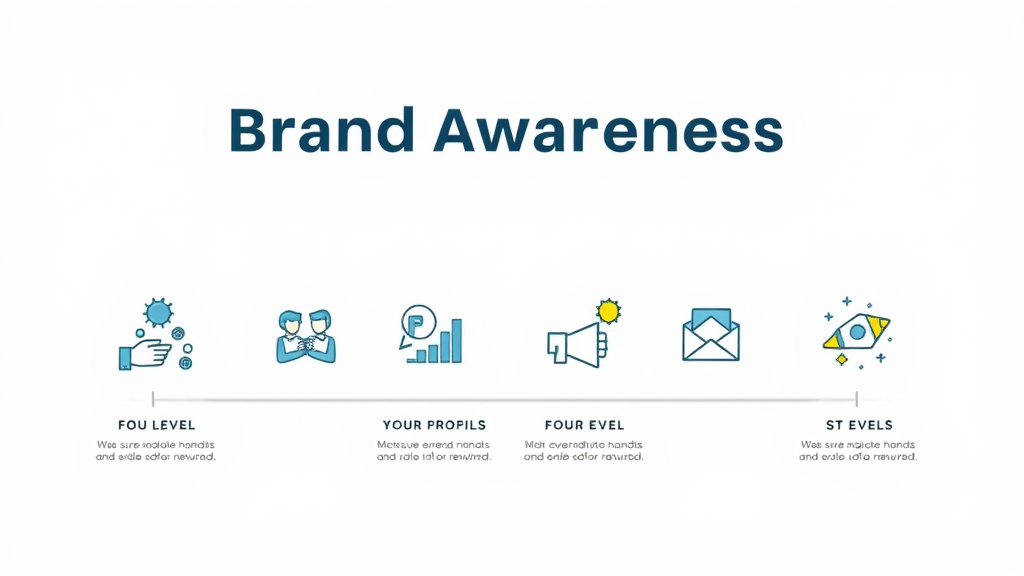
Climbing these four levels often requires targeted marketing campaigns and a focus on both brand recognition and recall strategies. Once you reach dominance, your brand becomes synonymous with its category—a position most companies only dream of.
Forms and Examples of Brand Awareness
What Is an Example of Brand Awareness?
An example of brand awareness happens every day in households and stores worldwide. Picture a consumer reaching for a familiar red can in a fridge without even reading the label—they instinctively trust the signature color, shape, and feel. That spontaneous connection is the result of years of consistent branding, marketing efforts, and positive experiences. It could be Coca-Cola in the fridge, Apple on a desk, or Nike on a shoe rack—the principle is the same.
This illustrates the power of both recognition (the visual cue) and brand recall (choosing your brand without prompt). It’s proof that effective brand awareness makes your products and services the immediate, trusted choice among countless alternatives.

Brand Awareness in Action: Case Studies and Success Stories
Companies that master brand awareness tactics become household names and set industry benchmarks. Just look at the following success stories:
- Nike’s viral social media campaigns: Energizing their audience and building community through innovative, shareable content that turns every media post into a beacon for the brand.
- Apple’s iconic product launches: Making each launch an event, driving immense buzz and staying top-of-mind for tech consumers globally.
- Oreo’s #DunkInTheDark marketing campaign: Seizing real-time marketing opportunities (like the Super Bowl blackout) to win massive brand recall and virality.
- Dove’s Real Beauty campaign: Building authentic connections and loyalty through inclusive storytelling, expanding brand equity in personal care.
Each case demonstrates how brand awareness—rooted in emotional resonance and clear messaging—can catapult a business from anonymity to dominance.
Building Brand Awareness: Core Strategies for 2024
How Do You Build Brand Awareness Effectively?
Strong brand awareness doesn’t happen overnight. In the rapidly changing landscape of 2024, business leaders need agile, multi-channel strategies to break through the noise. The most effective way to build brand awareness is to combine classic approaches with innovative marketing tactics, creating memorable interactions wherever your target audience spends time.
- Using integrated marketing campaigns across channels: Consistent messaging in advertising, email, PR, and content marketing amplifies your brand’s voice and reach.
- Leveraging strong social media presence: Engaging and interactive social campaigns deepen brand-customer relationships and boost shareability.
- Partnering with influencers and industry leaders: Trusted voices can extend your reach and build trust quickly among new audiences.
- Engaging content marketing and storytelling: Valuable, relatable stories stick in people’s minds and keep your brand top-of-mind.
- Consistency in visual identity and messaging: Every touchpoint must reinforce your brand’s promise and visual cues for maximum recall.
- Running brand awareness campaigns with targeted ads: Invest in digital ads that focus more on reach and recall than direct conversions, especially when launching or repositioning your brand.

To outshine competitors, brands need to complement organic efforts (like content and community building) with paid strategies, influencer collaborations, and data-driven creative. Integrated, consistent campaigns will build brand awareness much faster than siloed efforts.
Watch: Explainer Video: How Integrated Marketing Campaigns Drive Brand Awareness
Role of Social Media in Boosting Brand Awareness
Maximizing Brand Awareness on Social Media Platforms
Today, social media is where most people discover, interact with, and share brands. Platforms like Instagram, LinkedIn, TikTok, and X (formerly Twitter) are essential not only for amplifying your message, but also for fostering community and two-way engagement. To maximize brand awareness, brands should prioritize authentic, regular media posts, user engagement, and interactive campaigns that spotlight their identity.
A winning social media strategy requires more than polished visuals—it demands timely responses, creative storytelling, and a deep understanding of platform trends. Leveraging analytics tools helps measure brand awareness through engagement metrics like impressions, share of voice, and brand recall. Successful brands know that every social media post is a chance to reinforce their narrative and connect with potential customers in new ways.

Brand Awareness Campaigns: Creative Social Media Tactics
If you want your brand to be talked about and remembered, you need to pair creativity with strategy. Some of the top performing brand awareness campaigns on social media include:
- Launch hashtag challenges to drive engagement and reach new audiences.
- Use user-generated content to increase authenticity and brand trust.
- Create shareable and viral posts that capture your brand’s essence in a fun, memorable way.
- Host giveaways and contests to incentivize interactions and increase visibility.
These tactics increase brand awareness by creating buzz, encouraging participation, and ensuring your messaging is carried forward by real users, not just the brand itself.
Creating an Effective Brand Awareness Campaign
Awareness Campaign Planning: Best Practices
Crafting an effective brand awareness campaign requires careful planning and a commitment to consistency and measurement. Start with clear objectives: are you looking to increase brand recall in a new market, shift perceptions, or drive awareness before a product launch? Next, define your target audience personas so your campaign speaks to their unique needs and desires.
- Set clear objectives and awareness metrics
- Define target audience persona
- Leverage data-driven marketing campaigns
- Analyze past campaign performance
A strong awareness campaign blends creative storytelling with data-driven decision-making. Reviewing past campaigns—both your own and industry benchmarks—will reveal key insights for ongoing improvement and higher brand equity.

Innovative Marketing Campaigns to Increase Brand Awareness
Innovation is essential for standing out in a crowded marketplace. Leading brands push boundaries with experiential events, interactive content, AR/VR experiences, and real-time marketing. These disruptive tactics not only gain attention, but also generate memorable brand impressions and ignite organic sharing.
Examples include creating branded podcasts that become industry go-to resources, launching interactive quizzes that go viral, or partnering with unexpected influencers. The key is to focus on engagement, emotional connection, and story-driven campaigns that amplify your brand’s unique voice. By prioritizing innovation, your marketing campaigns will increase brand awareness and build a strong, lasting presence.
Measuring Brand Awareness: Metrics and Tools
Important Metrics to Measure Brand Awareness
To truly understand and grow your brand awareness, you must rely on measurable data. Key awareness metrics include brand recall and recognition surveys, social listening and share of voice analytics, website direct traffic, and search volume for your brand name.
- Brand recall and recognition surveys
- Social listening and share of voice
- Website direct traffic and search volume
- Awareness metrics like impressions and reach
- Aided and unaided brand recall studies
These metrics provide actionable insights into your current awareness levels, audience perceptions, and gaps to address. Keep in mind that long-term brand equity depends on consistent measurement, so don’t overlook trends in your brand performance over time.

Best Tools to Measure Brand Awareness in 2024
- Google Analytics and Search Console: Analyze website traffic sources, branded search queries, and audience behavior to measure digital brand engagement.
- SurveyMonkey: Run aided or unaided brand recall surveys directly with your target audience to measure awareness levels.
- Mention and Brandwatch: Leverage robust social listening tools to monitor share of voice, track competitor benchmarks, and spot trends in conversations around your brand name.
- SEMrush: Perform competitive benchmark analysis and monitor organic branded search growth over time.
These top tools help businesses of all sizes track, assess, and iterate on brand awareness campaigns for ongoing improvement and marketplace leadership.
Expert Insights: Building Strong Brand Awareness for New and Established Businesses
"Consistent experiences across every touchpoint are key to building lasting brand awareness." — Brand Strategist
Building Brand Awareness for Startups vs. Established Brands
Startups and established brands each face unique challenges and opportunities when building brand awareness. For startups, the goal is rapid recognition—leveraging bold campaigns, grassroots events, and creative storytelling to introduce themselves and spark curiosity. Speed, agility, and risk-taking define their early efforts, often using viral social media tactics or guerrilla marketing for quick traction.
Established brands, on the other hand, focus on consistency and trust. Their efforts are geared toward maintaining top-of-mind status, evolving with changing market preferences, and nurturing deep emotional connections built over years. Strategic repositioning, loyalty programs, and multichannel campaigns help reinforce their legacy and adapt to new competitors. Whether you’re just launching or looking to sustain dominance, every brand must continuously invest in building and measuring awareness for ongoing success.

People Also Ask: Brand Awareness Questions Answered
What do you mean by brand awareness?
Brand awareness is how well people in your target audience recognize and recall your business, product, or service. It means your brand is familiar to them, stands out from competitors, and instantly comes to mind when they think of your category. High brand awareness leads to better customer trust, preference, and loyalty—making it essential for long-term growth.
What is an example of brand awareness?
A classic example of brand awareness is when someone needs tissues and asks for a "Kleenex" instead of just a tissue, or when a family always reaches for the same brand of cereal or shoes without considering other options. This instinctive preference is built through years of consistent branding, quality, and positive experiences with the product or service.

How do you build brand awareness?
To build brand awareness, use a mix of advertising, social media posts, influencer partnerships, and consistent visual and messaging elements. Tell your brand story authentically, engage with customers on platforms where they’re active, and launch memorable marketing campaigns with clear and measurable objectives. Stay consistent across all channels, analyze what works, and refine your approach regularly to grow your reputation and recall.
What are the 4 levels of brand awareness?
The four levels are recognition (identifying your brand when prompted), recall (naming your brand without prompts), top-of-mind awareness (your brand is the first people recall in a category), and dominance (yours is the only brand people can name in a niche). Advancing through these levels increases your brand’s influence, loyalty, and market share.
Common Mistakes to Avoid When Trying to Increase Brand Awareness
- Ignoring brand consistency
- Overreliance on a single marketing channel
- Neglecting data and awareness metrics
- Failing to adapt to audience feedback
- Setting vague campaign objectives

FAQs: Brand Awareness Tactics Explained
How often should I run a brand awareness campaign?
Brand awareness campaigns should be an ongoing part of your marketing efforts, with dedicated pushes for new launches, rebrands, or seasonal promotions. Monthly to quarterly focused campaigns work well, but sustaining awareness requires consistent, layered messaging across all channels year-round.
Can I measure brand awareness for digital and offline channels?
Yes! Combine digital metrics—like site traffic, search trends, and social impressions—with traditional methods such as surveys, focus groups, and share of voice analyses in offline spaces. Measuring both gives a complete picture of your brand’s reach and impact.
What is the difference between aided and unaided brand awareness?
Aided brand awareness is measured when people recognize your brand from a provided list or cue (“Have you heard of this brand?”). Unaided awareness means they name your brand spontaneously without prompts (“What brands come to mind for athletic shoes?”). Unaided awareness is a stronger signal of mindshare and brand dominance.
Key Takeaways: Maximizing Brand Awareness for Business Growth
- Brand awareness is foundational for business growth
- Consistent messaging and integrated marketing elevate awareness
- Social media and data-driven tactics boost reach and engagement
- Measure brand awareness with modern tools and customer insights
- Adapting tactics helps maintain strong brand awareness over time
Your Next Steps to Unlock Industry-Leading Brand Awareness
Ready for sustained growth, stronger customer loyalty, and industry recognition? Schedule a Meeting at https://edenstreams.com/ and start building industry-leading brand awareness for your business today.
If you’re inspired to elevate your brand’s visibility, remember that brand awareness is just one piece of a holistic growth strategy. Expanding your marketing toolkit with advanced content approaches—like strategic blogging—can further accelerate your business’s momentum and authority. For a deeper dive into how blogging can unlock new growth opportunities and complement your brand-building efforts, discover expert insights and actionable tips in this comprehensive guide to blogging for small business success. Take the next step and empower your brand to thrive in today’s competitive landscape.
Sources
- SurveyMonkey – https://www.surveymonkey.com/curiosity/brand-awareness-guide/
- Hootsuite – https://blog.hootsuite.com/brand-awareness/
- SEMrush – https://www.semrush.com/blog/what-is-brand-awareness/
- Marketing Evolution – https://www.marketingevolution.com/marketing-essentials/brand-awareness
- Meltwater – https://www.meltwater.com/en/blog/brand-awareness
To deepen your understanding of brand awareness and its impact on business growth, consider exploring the following authoritative resources:
-
“What Is Brand Awareness? Definition, How It Works, and Strategies”: This comprehensive article from Investopedia delves into the fundamentals of brand awareness, explaining its significance in consumer behavior and offering practical strategies to enhance it. It also provides real-world examples of successful brand awareness campaigns, illustrating how companies have effectively captured consumer attention and loyalty. (investopedia.com)
-
“Brand Awareness: How to Define, Measure and Increase Brand Awareness”: GfK’s insightful piece outlines methods to define and measure brand awareness, emphasizing its role in consumer decision-making. The article discusses various metrics and tools businesses can use to assess their brand’s presence in the market and offers strategies to strengthen brand recognition and recall among target audiences. (gfk.com)
By engaging with these resources, you’ll gain valuable insights into building and sustaining strong brand awareness, equipping you with the knowledge to implement effective strategies that resonate with your audience and drive business success.




Write A Comment